February 4, 2026
In today's world, electricity is an essential part of daily life. However, electrical issues can arise at any moment, requiring prompt attention to prevent damage and ensure safety. Recognizing when you need emergency electrical services can be challenging, but it's crucial for the protection of your home and family.
Electrical emergencies can manifest in various forms, from sudden power outages to more alarming incidents such as electrical fires and shocks. It's vital to identify these signs early to prevent further damage and potential threats to life. This article aims to guide homeowners on how to recognize urgent electrical problems that demand immediate attention.
A delayed response in tackling electrical issues can lead to detrimental outcomes, both financially and in terms of safety. Learning what constitutes an electrical emergency enables homeowners to act quickly and safeguard their property. Let's delve into identifying signs of potential electrical failures and the urgency they entail.
Understanding the Causes of Power Outages
Weather-Induced Outages
Weather events like storms, floods, and lightning can disrupt the electrical supply, leading to outages. Such conditions can damage power lines and transformers, interrupting the power grid's function. It's common for homes in regions prone to severe weather to experience sudden power losses. These outages often require professional assessment to restore electrical service safely. When the weather is the cause, emergency services might be delayed due to broader infrastructure damage.
Infrastructure Failures
Infrastructure failures, including transformer damage or substation malfunctions, are significant causes of power outages. As systems age, the likelihood of infrastructure-related failures increases, necessitating upgrades and regular maintenance. Often, external parties such as electric utility providers manage infrastructure repairs. Homeowners should report prolonged outages to their utility company to initiate swift action. Collaborative efforts between homeowners and electrical services are crucial to minimizing downtime.
Internal Wiring Issues
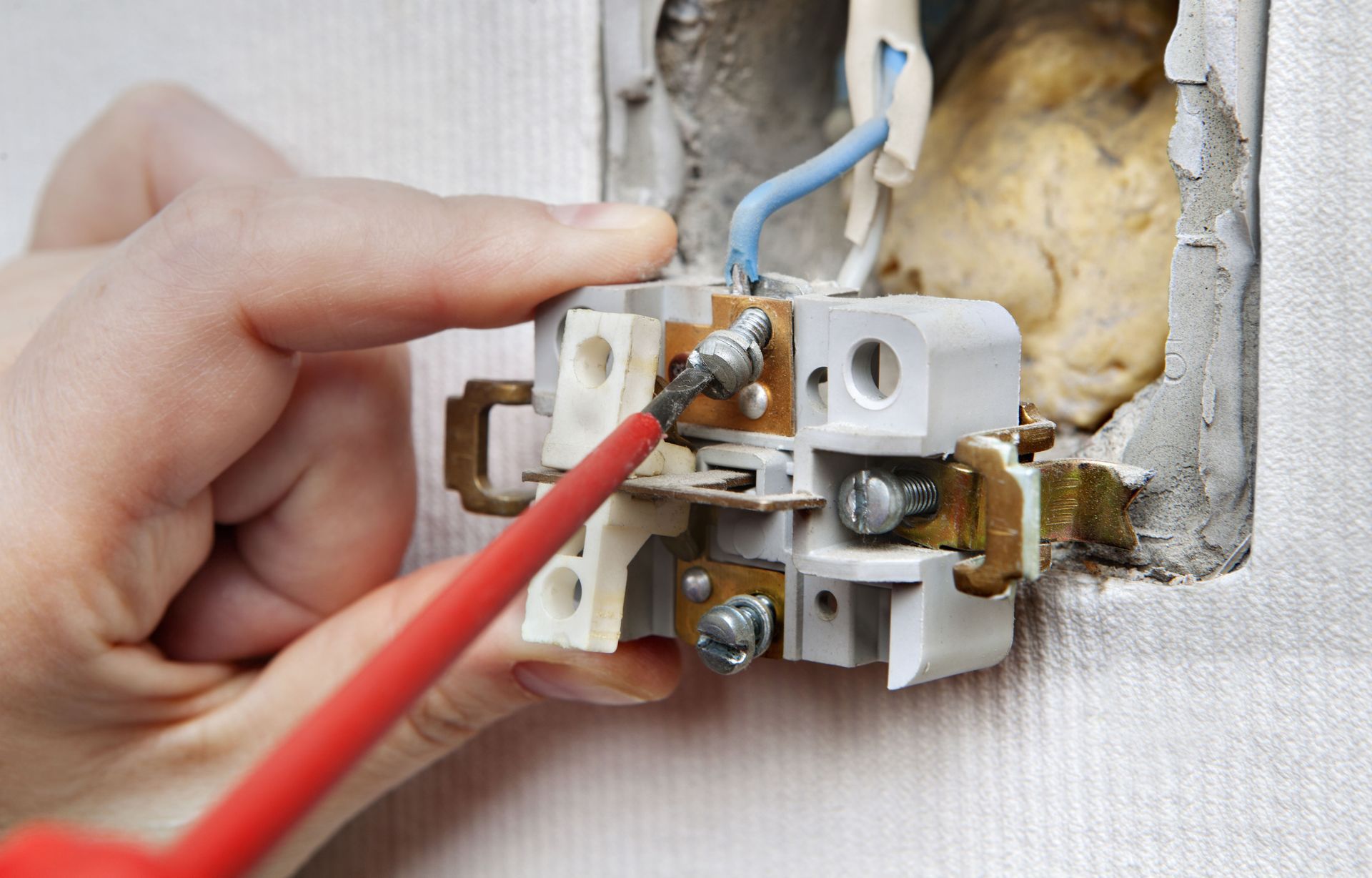
Internal wiring problems can cause isolated power outages within a home. Faulty wiring can result from age, degradation, or inadequate installation practices. Homeowners should regularly inspect outlets and switches for signs of wear or damage. Wiring issues not only affect the electricity supply but also pose significant fire risks if left unaddressed. Engaging professional electrical services to evaluate and repair faulty wiring is critical.
Identifying Flickering or Dimming Lights
Loose Bulb Connections
Flickering lights may be caused by loose bulb connections, where a bulb is not securely fastened into its socket. Such issues are often minor and can be fixed by ensuring bulbs are tightly screwed in. However, persistent flickering, even after addressing bulb connections, may indicate a deeper electrical problem. Homeowners should not ignore repeated incidents of flickering lights as they can signify underlying issues. Regularly checking all light fixtures can prevent minor issues from escalating.
Faulty Light Fixtures
Faulty light fixtures can lead to inconsistent lighting or frequent bulb burnouts. Over time, the internal components of fixtures can wear out, causing electrical continuity problems. Such conditions can create risks, including short circuits and potential fire hazards. Homeowners are advised to replace outdated fixtures to maintain a reliable and safe lighting setup. Always consult an electrician when installing new fixtures to ensure compatibility and safety.
Fluctuating Electrical Load
Fluctuating electrical loads, often due to domestic appliances with high power consumption, can cause lights to flicker or dim. Appliances like HVAC systems, refrigerators, and microwaves can create intermittent power demands. Such fluctuations can strain wiring systems and highlight capacity issues with electrical circuits. According to the Electrical Safety Foundation International, 31,647 residential fires per year on average between 2011 and 2023 involved electrical issues. Therefore, ensuring an even distribution of load across circuits is vital to prevent risks.
Recognizing Electrical Shocks
Unplugged Appliance Shocks
Experiencing a shock from an unplugged appliance can signal a fault in either the appliance or the home's electrical system. Electrical shocks indicate poor insulation or grounding issues within devices. An unpleasant sensation or electrical jolt requires immediate investigation and resolution. Ignoring shocks can harm personal safety and damage appliances over time. It's important to disconnect any such device and consult a technician or electrician for an in-depth check.
Shocks from Switches or Outlets
Shocks emanating from switches or outlets suggest potential issues such as faulty wiring or grounding problems. These manifestations may range from mild tingling sensations to significant jolts that cause injury. If shocked near a switch or outlet, disconnect the electrical supply and seek intervention from professional electrical services. Frequent occurrences indicate severe issues that warrant an overhaul of the affected electrical systems. It is crucial to address these problems swiftly to mitigate further risk to safety.
Exposed Wires
Exposed wires present a direct risk of electrical shock, especially in older homes where insulation may have degraded. These wires can lead to accidental contact and consequent electrocution risks. Home inspections should routinely involve checking for exposed wires, especially in frequently accessed areas of the house. Immediate remediation by replacing or insulating exposed wiring is necessary to ensure safety. Ignoring exposed wires can lead to significant legal and safety liabilities if injuries occur.
Detecting Burning Smells or Smoke
Overheated Wires
An unusual burning smell often comes from overheated wires, posing a significant fire hazard. Wire insulation can degrade, resulting in exposed conductors that increase the potential for electrical fires. Recognizing this smell as a warning can prompt proactive preventive measures, such as circuit inspections and upgrades. Quick identification and response can prevent small incidents from evolving into catastrophic losses. Emergency electrical services should be contacted immediately upon detecting persistent burning odors without an obvious source.
Electrical Fires
One of the most severe manifestations of electrical issues is the onset of an electrical fire. Electrical fires require immediate intervention due to their potential to spread quickly and cause extensive damage. It is vital to recognize the signs of developing fires, such as smoke or flickering flames, and act rapidly to prevent escalation. Switching off power systems and notifying emergency electrical services are immediate actions to prioritize. Preparedness with appropriate fire extinguishing equipment is also crucial for early intervention.
Browning or Scorching Outlets
Clearly visible browning or scorching marks around outlets signify overheating and potential fire risks. Such damage points to deteriorating electrical components, where heat buildup causes external charring. On noticing such signs, immediate disconnection and evaluation of affected circuits or devices are necessary. Repeated incidents of outlet overheating may require reevaluation of load capacities and circuit composition. Consulting electrical services for a comprehensive diagnostic analysis is prudent to ensure ongoing safety.
Understanding Circuit Breaker Tripping
Overloaded Circuit
Circuit breakers trip when electrical circuits become overloaded with excessive current flow. Overloading is often a result of plugging too many appliances into a single outlet or circuit. When this occurs repeatedly, it signals the need for circuit capacity evaluation and potentially redistributing energy loads. Understanding the electrical demands of your household and planning circuit distribution accordingly prevents overloading issues. Implementing preventative measures based on circuit capacity ensures a consistent energy supply without recurrent interruptions.
Short Circuit
Short circuits occur when electrical paths connect unintentionally, allowing current to take unintended routes. This causes excess flow of electricity, tripping breakers to prevent overheating and potential fires. Locating the source of a short circuit is imperative to stopping further short-circuiting incidents in their tracks. Often hidden within appliances or walls, professional diagnostic electrical services become necessary. Addressing short circuits not only restores normal function but also re-establishes a safer environment.
Ground Fault
Ground faults occur when electrical current escapes designated paths due to poor insulation or conductor breaches. This unintended direction of flow trips breakers, preventing electric shocks and ensuring safety. In high-moisture areas like bathrooms or kitchens, ground faults can represent a substantial risk. To this end, utilizing ground fault circuit interrupters (GFCIs) provides protective measures against undetected ground faults. Regular testing and maintenance of electrical systems ensure their reliability in preventing faults.
Adopting preventive maintenance and timely resolutions can avert more extensive future repairs or losses. In a world reliant on electricity, understanding these risks ensures peace of mind and prepares homeowners for potential emergencies. It underscores the value of awareness and preparedness in fostering safer living environments in our electrified homes.
Responsible electrical management with professional guidance offers tangible safety and efficiency benefits. Committing to ongoing learning and proactivity in addressing electrical issues helps uphold household safety standards. Trust and partnership with qualified electrical services are integral to achieving continuous reliability and assurance in modern living capabilities. Reach out to Express Electric and Construction today for help with all your electrical needs.